Accessible Magnetic Resonance Laboratory
The intelligent MR framework
Tell Me More

Focus

The Accessible Magnetic Resonance Laboratory (AMRL) is a research group that focuses on developing and deploying MRI tools and methods to enable accessible imaging of pediatric patients with cancer, infectious diseases or mental health challenges. We are a part of the Division of Cancer Imaging Research at Johns Hopkins University.

Projects

Want to work on advancing accessible MRI? Check out our research projects below.

Tools

Check out some cool open source tools we have built here.

Education

Want to learn more about MR? Check out our educational initiatives here.

Ongoing Projects

Practical magnetic resonance imaging for all

Learn, Design, Build, Scan - DIY MRI for all.

Sponsor: JHU Provost's DELTA Award

Read more...
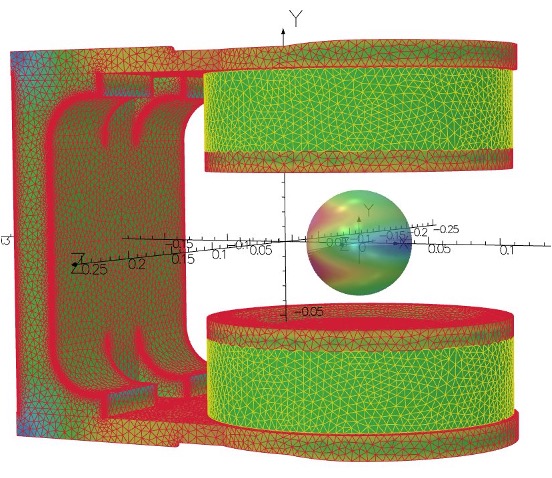
Design and development of 0.2T portable MR systems

Successful design and development of a portable 0.2T MRI for the head and spine will yield structural, functional and metabolic MRI capabilities required for downstream clinical use in an accessible manner.

Sponsor: Medirays Pvt. Ltd.

Read more...
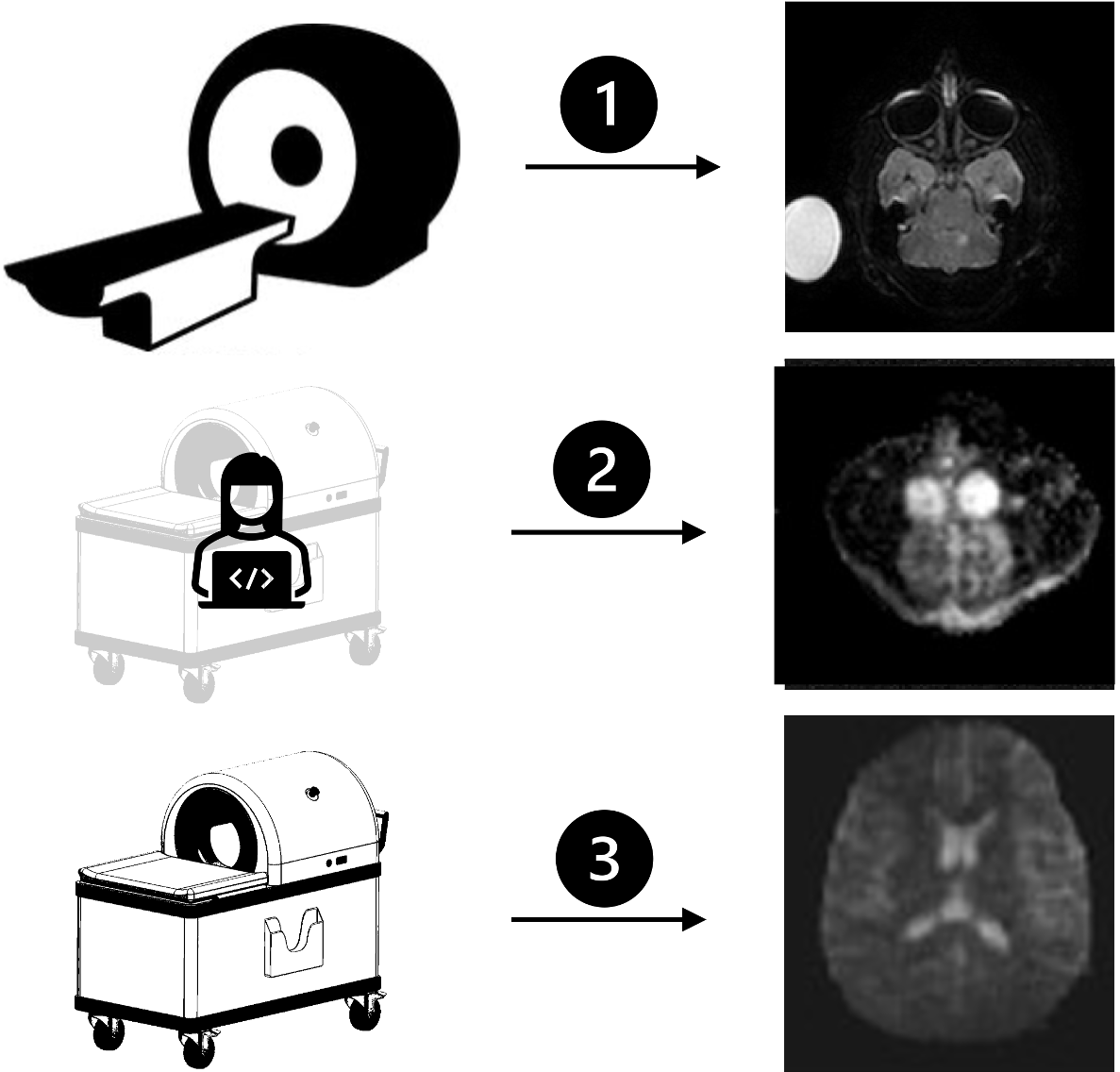
Accessible imaging of high consequence pathogens

Tracking brain changes due to infection in restricted environments require portable solutions providing image quality similar to clinical scanners

Sponsor: None

Read more...
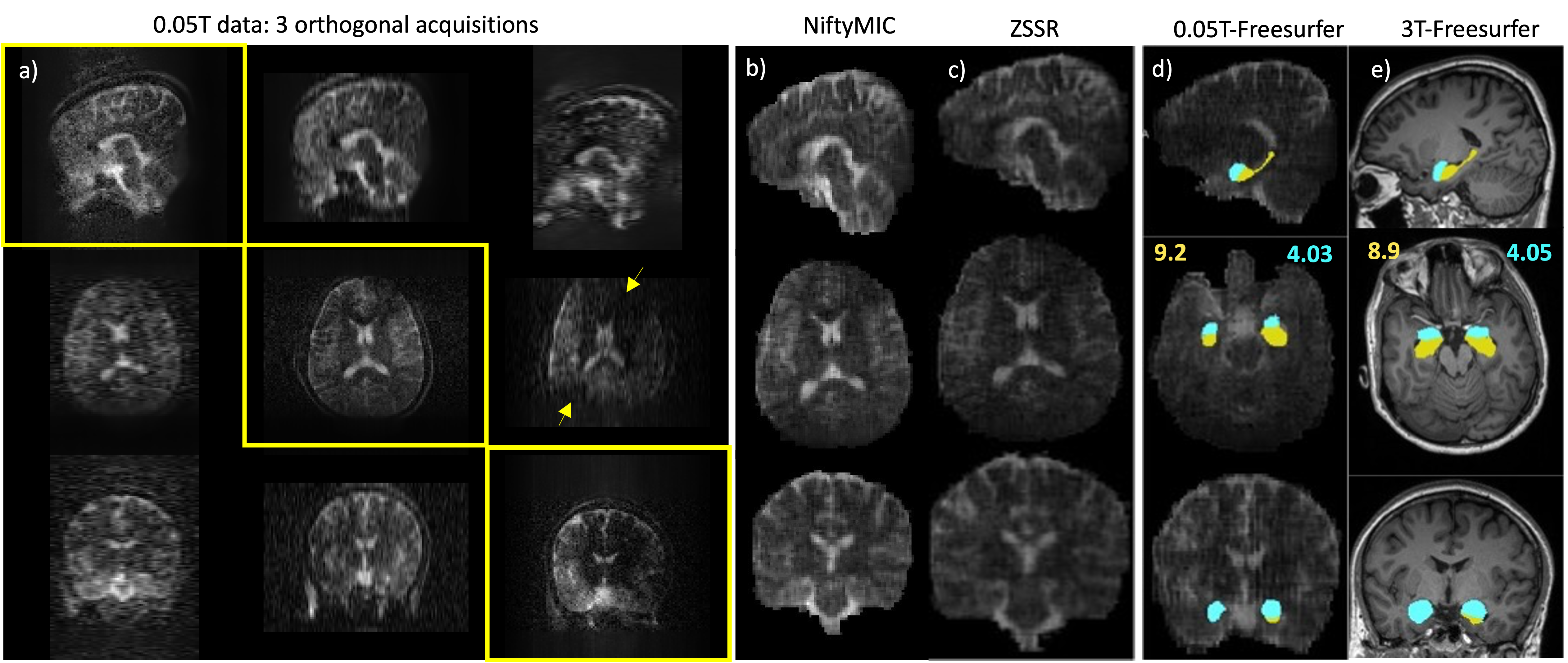
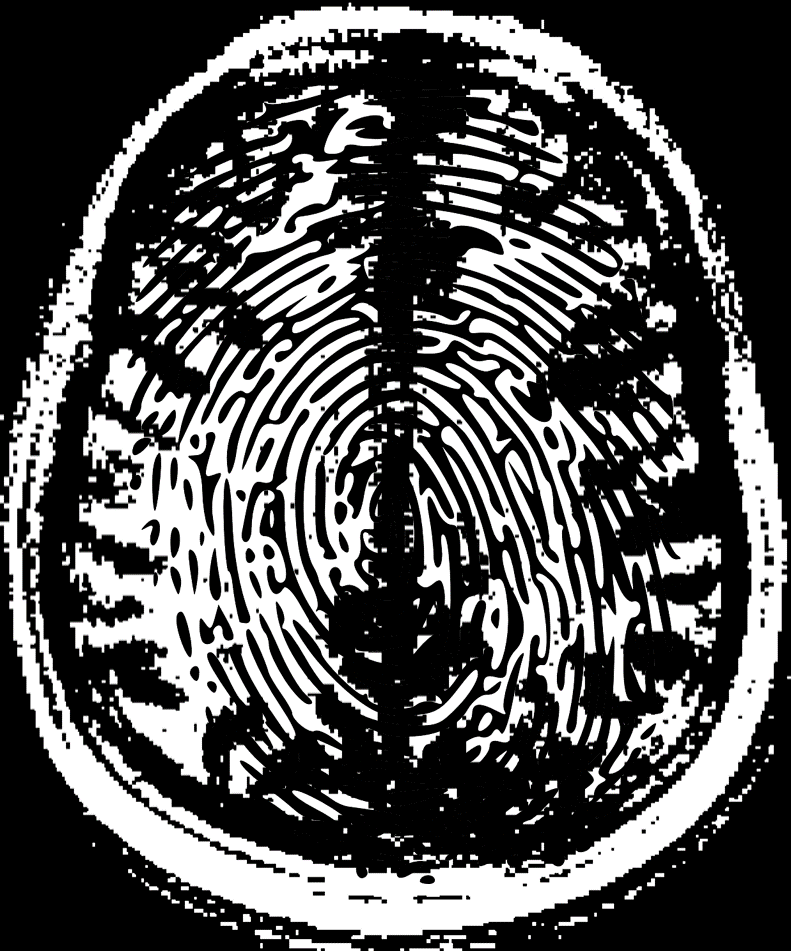
Tracking structural brain changes at 0.05T

Tracking brain changes using low-field MRI at 3T performance will enable monitoring of neurological disorders in rural settings

Sponsor: National Institute of Mental Health (NIMH)

Read more...
Making open-source, vendor-neutral MRI more robust and accessible using Pypulseq

Major updates to the Pypulseq library will make it more robust and accessible to the MRI community

Sponsor: National Institute of Biomedical Imaging and Bioengineering (NIBIB)

Read more...

Automated response assessment in pediatric neuro-oncology (Auto-RAPNO)

Automating the workflow for RAPNO will augment neuro-oncologists in rural settings

Sponsor: PMX Inc.

Read more...
Past Projects

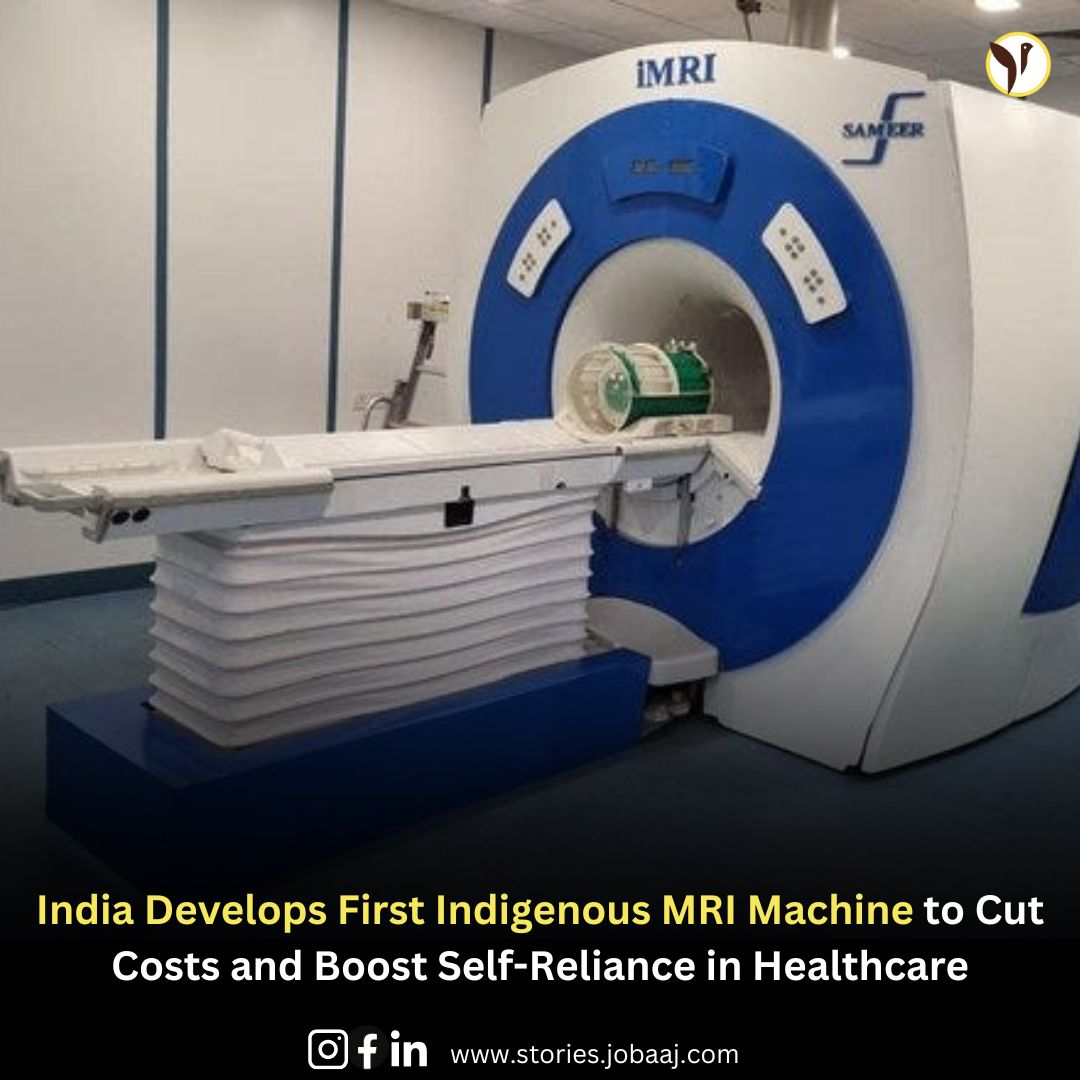
Indian National Mission on Indigenous 1.5T MRI - Academic and prototyping site

We were involved in building a 1.5T MRI from scratch indigenously in India.


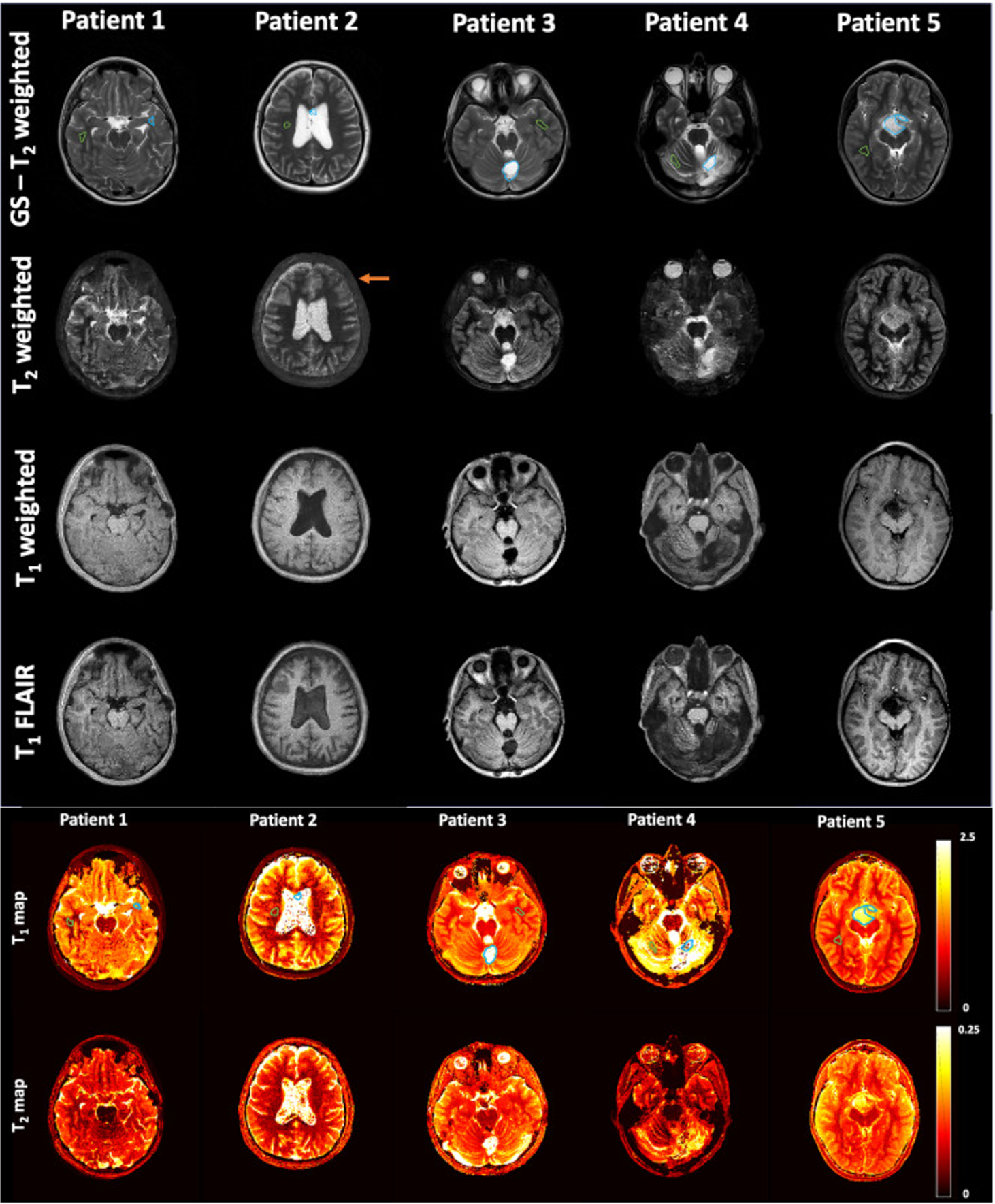
Pediatric brain tumor imaging using tailored MR Fingerprinting

We developed a non-synthetic approach to simultaneously obtain multiple qualitative and qunatitative MR images. We designed, implemented and evaluated the sequence on pediatric brain tumor patients


Recent Publications

1) Girish, N., Sharma, A. and Geethanath, S., 2026. Zero shot self supervised super resolution reconstruction of MRI to track brain changes using volumetry application to high-and low field data. Medical Imaging 2026 Clinical and Biomedical Imaging (Vol. 13929, pp. 359-368). SPIE. [Article]

2) Nandi, S., Poojar, P., Taufique, S., Weller, R., Bachi, K., Hurd, Y., Geethanath, S. and Alzheimer's Disease Neuroimaging Initiative, 2026. Magnetic Resonance Imaging Textural Changes Are More Sensitive Than Volumetric Changes in the Amygdala of Cocaine Use Disorder Patients. NMR in Biomedicine, 39(1), p.e70193. [Article]

3) Geethanath, S., Artiges, A., Block, K.T., Chen, Q., Fernandes, T.F., Ganji, S., Grissom, W.A., Hoinkiss, D., Vaughan Jr, J.T., Konar, A.S. and Konstandin, S., et al., 2025. Validating and Sharing Open-Source and Vendor-Neutral Pulse Sequence Programs - A Practical Approach. In MRI Pulse Sequences - Physics, Methods and Clinical Applications (pp. 313-322). Cham - Springer Nature Switzerland. [Article]

4) Oiye, I.E., Poojar, P., Qian, E., Vaughan, J.T. and Geethanath, S., 2025. A standalone and cost-effective MR-compatible computer numerical control machine for simultaneous, multi-parameter mapping. Measurement Science and Technology, 36(4), p.045902. [Article]

5) Manso Jimeno, M., Ravi, K.S., Fung, M., Oyekunle, D., Ogbole, G., Vaughan Jr, J.T. and Geethanath, S., 2025. Automated detection of motion artifacts in brain MR images using deep learning. NMR in Biomedicine, 38(1), p.e5276. [Article]

For the full list of publications visit PI's Google Scholar Profile

News

The second DIY MRI workshop is scheduled for September 2026!

Come join us for the second DIY MRI workshop where we will be building a 1.5T MRI from scratch!

Read more...
Niyathi Girish's work has been chosen for oral presentation at the SPIE Medical Imaging 2026 conference!

Niyathi's work on super-resolution reconstruction of MRI to track brain changes has been accepted for oral presentation at the SPIE Medical Imaging 2026 conference!

Read more...
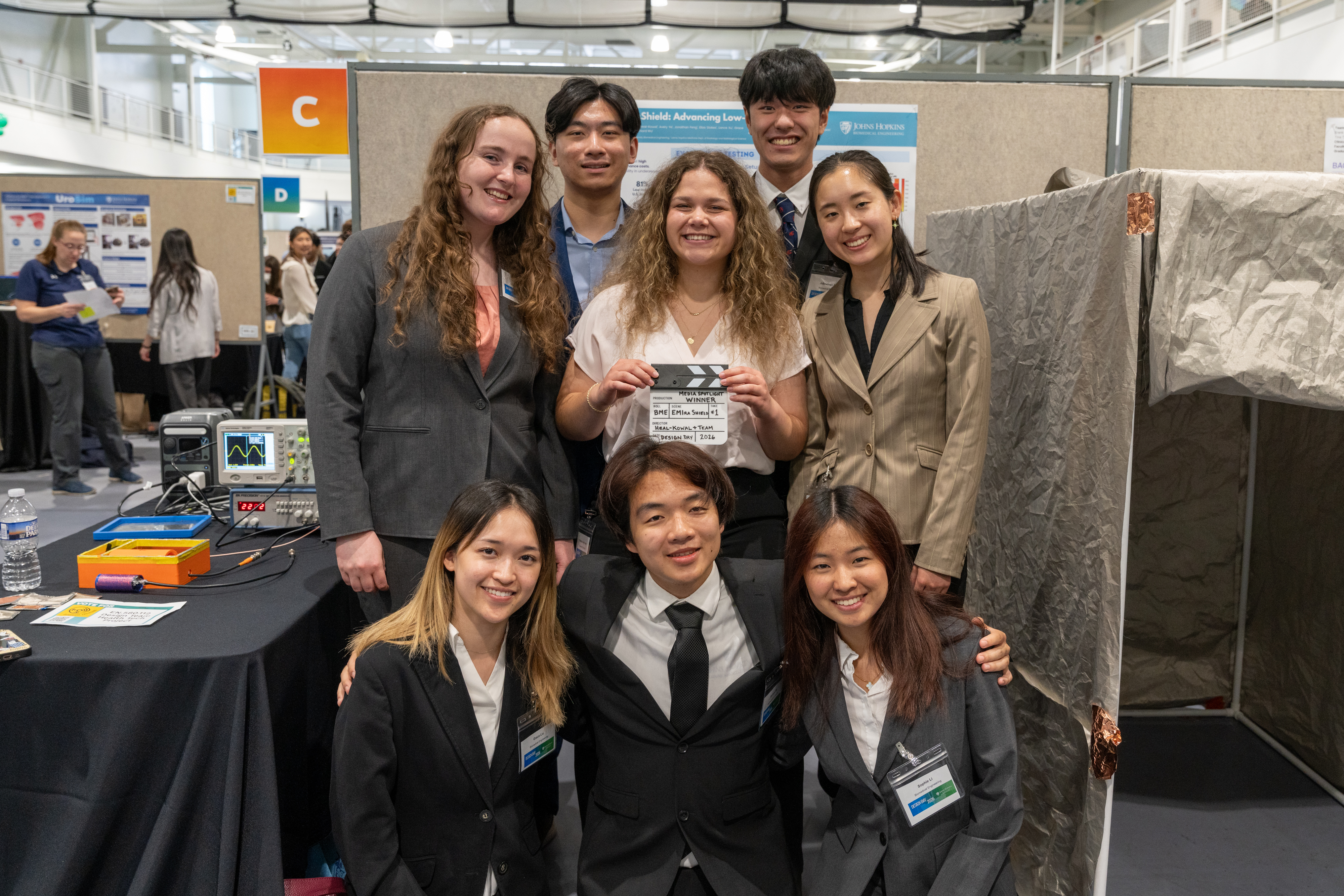
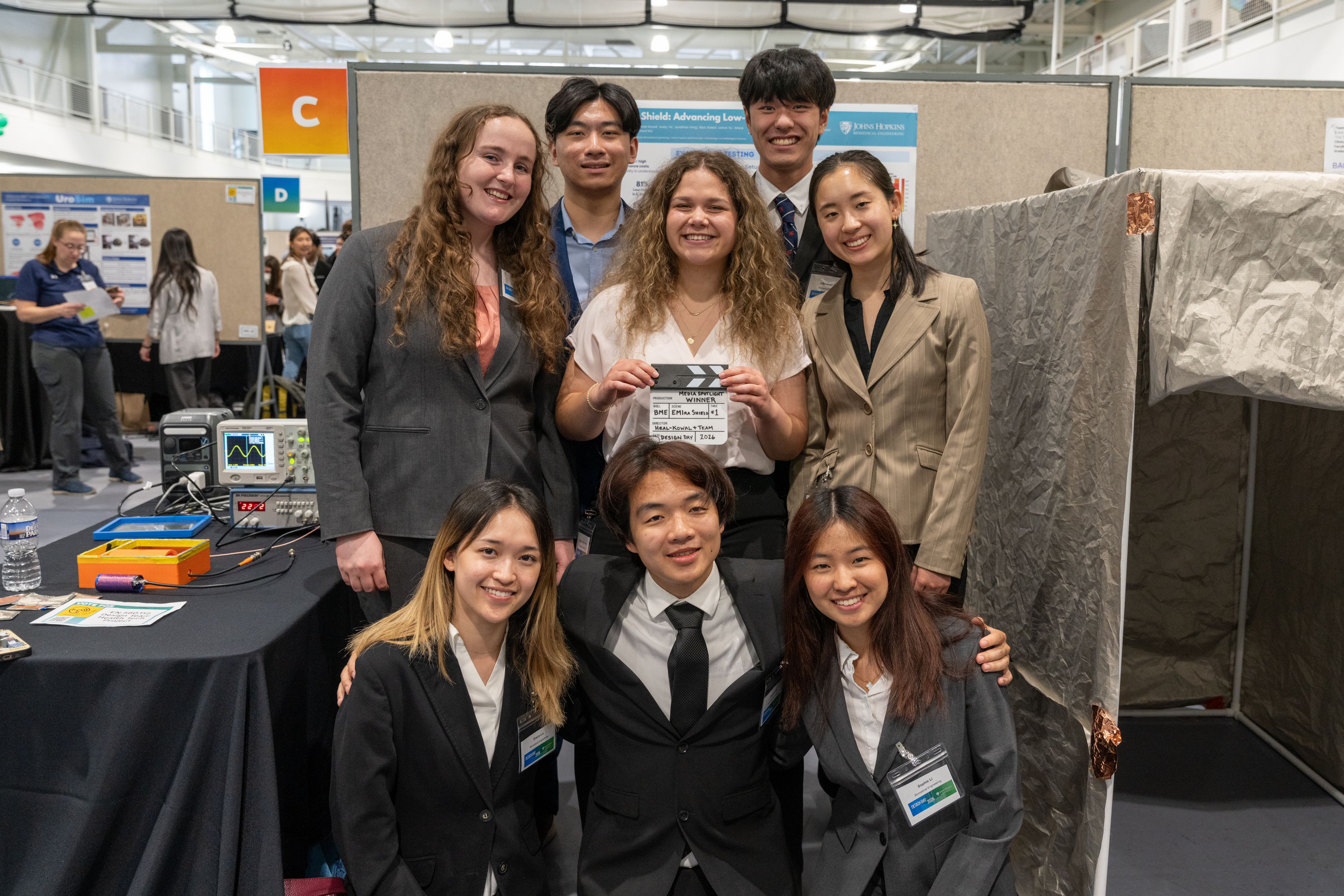
Our BME Design Team has won two awards at the 2026 JHU BME Design Day!

Our BME Design Team won the Best Overall Design and Best Medical Device Design awards at the 2026 JHU BME Design Day!

Read more...
Featured Tools

amri

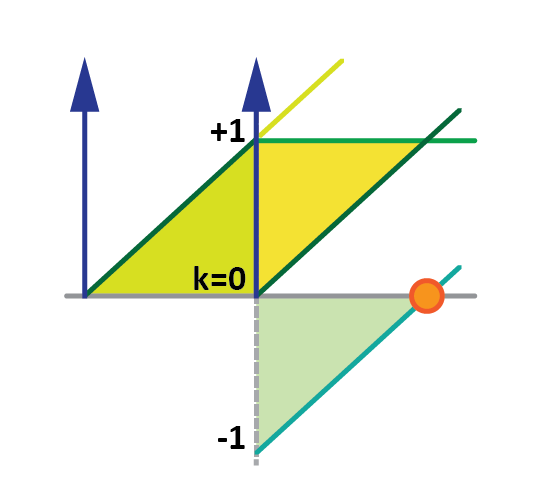
Autonomous Magnetic Resonance Imaging (AMRI)


These methods transform an MRI scanner into an intelligent physical system

epg

Extended Phase Graphs


Useful in simulating multi-echo pulse sequences

mrf

Magnetic Resonance Fingerprinting


Obtain multi-parameteric quantitative MRI maps from a single acquisition

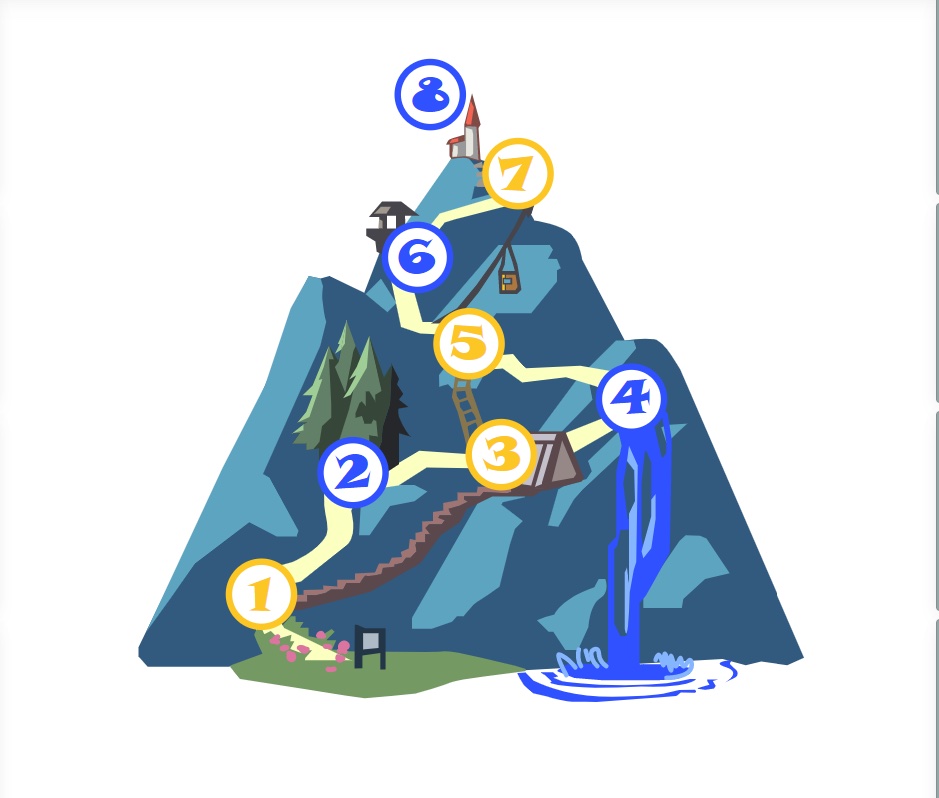
Virtual Scanner Games

Web games to learn MRI


Play eight games and learn the fundamentals of MRI

pypulseq

Pulseq on Python


The popular tool to develop vendor-neutral pulse sequence programs

sar4seq

SAR simulation


Simulate specific absorption rate values for open source pulse sequences

spiral-fmri

fMRI stack of spirals - PRESTO technique


Pulseq based cross-vendor implementations on GE and Siemens scanners

virtual-scanner

Virtual scanner


Our simulator that powers multiple other projects such as the Digital Twin

FMR

Field mapping robot


Highly scalable, simultaneous parameter mapping using a CNC

For the full list of tools visit imr framework repositories

Team

Sairam Geethanath

Principal Investigator

Ivan Etoku Oiye

Trainee (BSc, Biomedical Engineering)

Ajay Sharma

Post-doctoral Fellow

Leo Kinyera

MR Trainee

Undergraduate and High School Students

Sritanvi Donepudi

Undergraduate student, Johns Hopkins University

Orya Shusterman-Bachi

Undergraduate student, Tufts University

Vedhika Anand

Undergraduate student, University of Florida

Niyathi Girish

High School student, William Fremd High School

Ishita Prabodh

High School student, Marriots Ridge High School

BME Design Team

BME Undergraduate students, Johns Hopkins University

Alumni

Shounak Nandi

Neuroimaging researcher, Albert Einstein College of Medicine

Kunal Aggarwal

Master's thesis, Max Planck Institute for Biological Cybernetics, Tübingen, Germany

Marina Jimeno Manso

Clinical Imaging Scientist, Novartis

Keerthi Sravan Ravi

Senior AI Scientist, GE Healthcare

Enlin Qian

Post-doctoral Fellow, Dr. Ricardo Otazo Lab, Memorial Sloan Kettering Cancer Center
Pavan Poojar

Post-doctoral Fellow, Dr. Hurd Lab, Icahn School of Medicine at Mount Sinai

Rakshith Shanbhag

Product Manager, Sysmex Europe

Nutandev Bikkamane Jayadev

Research Scientist, Siemens Healthineers

Imam Ahmed Shaik

General Manager, Siemens Healthineers

Amaresha Shridhar Konar

MR Platform Team Lead, Columbia University in the City of New York

Ssentamu Tonny

Graduate Research Student, King's College London

Rahul Ramesh

AI Researcher, Siemens Healthineers

Vineet Vinay Bhombore

Research Scientist, Siemens Healthineers

Nishika Girish

James Scholar, University of Illinois at Urbana-Champaign (UIUC)

Rishi Ananth

Honors, Chemistry, University of Washington at Seattle

Alvin Kombawa

MASc, Biomedical Engineering, University of British Columbia (UBC)

Sai Abitha Srinivas

Principal MR Systems Engineer, Adialante

Arush Honnedevasthana Arun

Research Fellow, The National Imaging Facility

Manoj B

MRI Pulse Programming R&D, Philips Healthcare

Jayashree Ganguly

Senior Development Engineer, Philips Innovation Campus